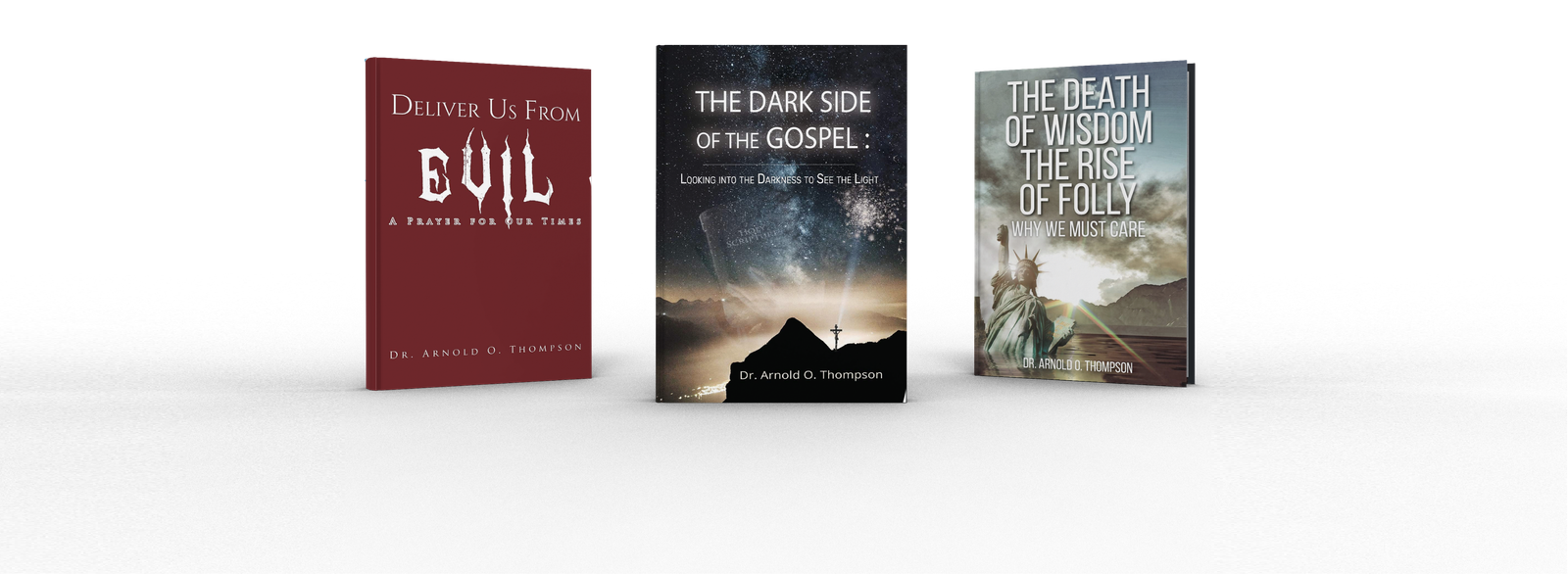
The Death of Wisdom The Rise of Folly
Why We Must Care
Wisdom is riding on a passenger train of time on a collision course with destiny, and we are all in for the ride. This book is about wisdom riding on this train.
Available at


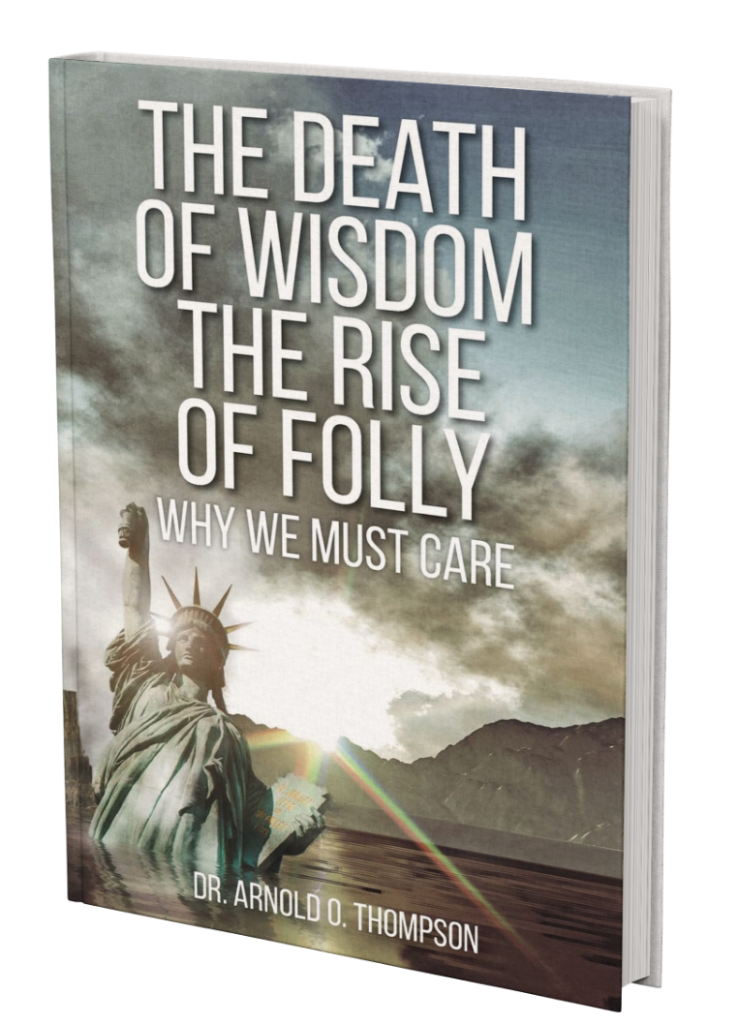
Deliver Us From Evil
A Prayer For Our Times
Deliver Us from Evil: A Prayer for Our Times is a book written for the volatile evil times in which we live and what primarily the Christian church needs to know and do about it. Its purpose is to move beyond the performance stage to view the backstage, to look behind at the often unrecognized spiritual and evil infrastructure that constantly influence and corrupt what we see on the world’s popular stage.
Available at
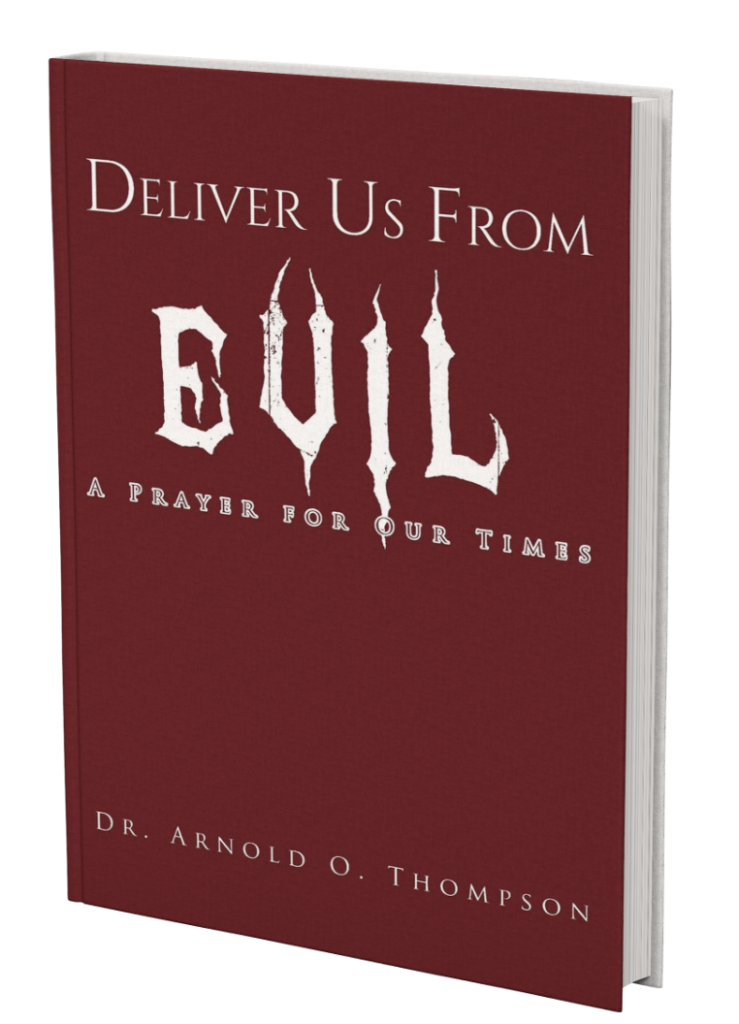
The Dark Side of the Gospel
Looking into the Darkness to See the Light
God made both day and night for a reason. If we focus on only the light, we miss half the gospel. And to fully understand the light, we need to fully understand, confront, and — at times — embrace the darkness.
Available at
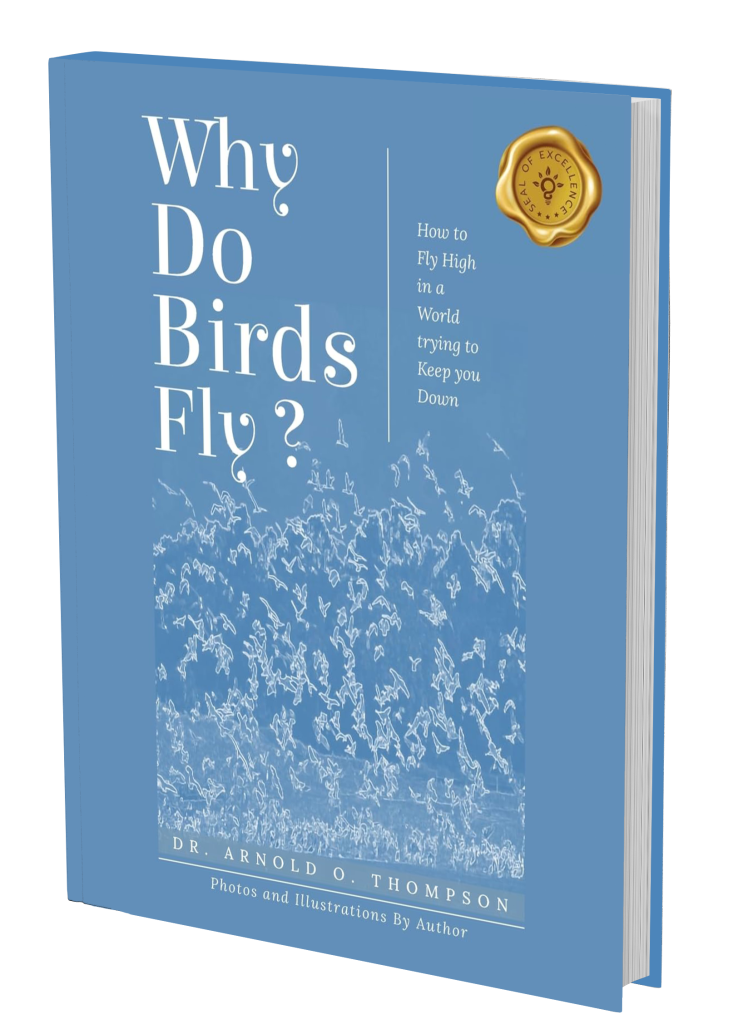
Why Do Birds Fly?
How to Fly High in a World trying to Keep you Down
I do not know why my mom selected a tie that in my very first photo that canvas most of my little chest. And I do not know why she selected one with such a large bird on it. a bird on it. For it became closest to my heart because it had a big bird on it. There were no color photo then. But I remembered the blue tie with a big red bird. It could not be missed. What I do know is parents can make such an impression on their children, in fashion, style, and most of all in their impressionable soul. Just like that bird on a branch of a tree I thought of the bird as me. And I was ready to fly.
Available at
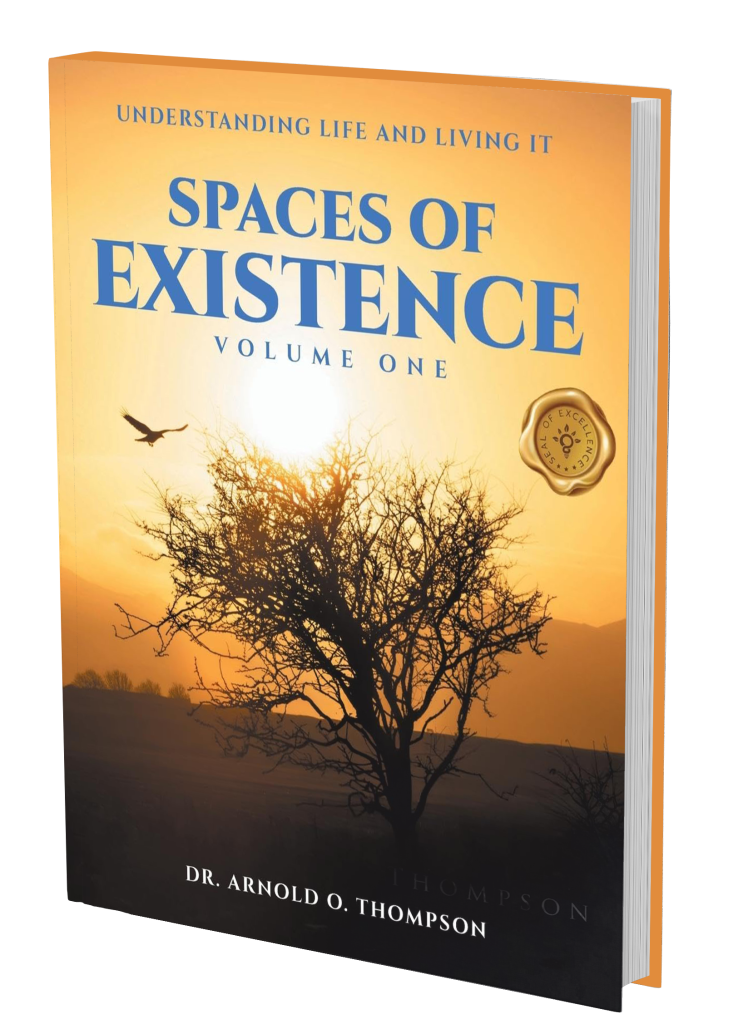
Spaces of Existence Volume One
Understanding Life and Living It
I do not know why my mom selected a tie that in my very first photo that canvas most of my little chest. And I do not know why she selected one with such a large bird on it. a bird on it. For it became closest to my heart because it had a big bird on it. There were no color photo then. But I remembered the blue tie with a big red bird. It could not be missed. What I do know is parents can make such an impression on their children, in fashion, style, and most of all in their impressionable soul. Just like that bird on a branch of a tree I thought of the bird as me. And I was ready to fly.
Available at
The Author

Author
Dr. Arnold Thompson
A pastor and ministry leader since 1967,
Dr. Thompson now shares his wisdom and passion for the Gospel through his writing
and public speaking engagements.
Book Trailer
The Death of Wisdom The Rise of Folly
Why We Must Care
by Dr. Arnold O. Thompson
Deliver Us From Evil: A Prayer For Our Times
by Dr. Arnold O. Thompson
Daily Spark TV
Daily Spark TV S10 EP20
Dr. Arnold Thompson’s “Deliver us from Evil”
Ric Bratton's Interview
Daily Spark TV S10 EP20
Dr. Arnold Thompson’s “Deliver us from Evil”
MSB LATFoB Interview
MainSpring Books - Dr. Arnold Thompson's Unforgettable Author Interview
Dr. Arnold Thompson’s “The Death of Wisdom The Rise of Folly”
MainSpring Books - Dr. Arnold Thompson's Unforgettable Author Interview
Dr. Arnold Thompson’s “The Death of Wisdom The Rise of Folly”
Dr. Arnold Thompson at LATFOB 2025 – Bridging Scripture, Nature, and Life Through Books
Dr. Arnold Thompson’s “Why Do Birds Fly?” and “Spaces of Existence”
Book Of The Month
Daily Spark TV S10 EP20
Dr. Arnold Thompson’s “Deliver us from Evil”
Ask The Author
Daily Spark TV S10 EP20
Dr. Arnold Thompson’s “Deliver us from Evil”
Book Review
The Dark Side of the Gospel: Looking into the Darkness to See the Light
Reviewed in the United States on December 2, 2019
Verified Purchase
This book is a must read for those who want to gain a deeper understanding of the real christian journey. The joys as well as the sorrows of walking with the Lord, the blessings as well as the prosecution that comes with following Jesus. The author however reminds us that through it all Jesus is always there being who and what we know He is – the light of the world, the dispeller of the darkness, the hope of our salvation.
The Dark Side of the Gospel: Looking into the Darkness to See the Light
Reviewed in the United States on April 5, 2020
Verified Purchase
All my life my Christian readings and learning was about finding and understanding the light. Dr. Thompson for the first time forced me to confront the darkside and for the first time I began to bettery understand the light. A must read for anyone trying to understand the darkness in order to see the light. Yes…I have a bias but from my heart this is an important read; and only a man of true faith could have written this book.
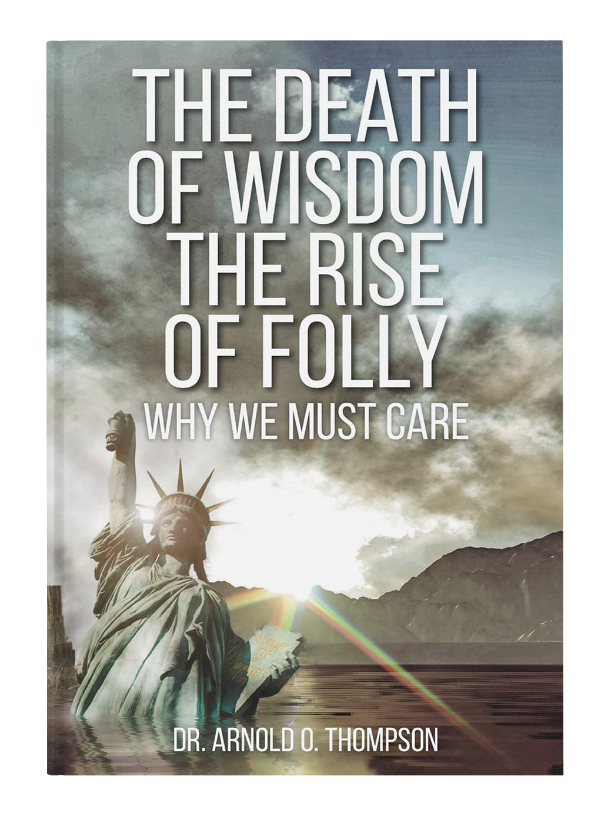
The Death of Wisdom The Rise of Folly
Why We Must Care
by Dr. Arnold O. Thompson
“If wisdom is anything, it is the pursuit for truth.”
The clever literary conceit that wisdom is a passenger on the “train of time on a collision course with destiny” ignites this journey through a biblical landscape that earnestly exhorts travelers to keep wisdom alive “before we are all lost in our own folly.” Thompson, a long-time pastor and theological writer, tackles the spiritual problems of today with the metaphor of a runaway train hurtling through modern life, where wisdom takes a back seat.
Technology, money, raw power, and greed (folly) drive the train on this journey. Positive traits, such as human values and truth, are ignored, symbolically dying, and consigned to the rear. A sensible backseat driver, wisdom warns of a crash by those “blinded by their power and privilege.” Thompson takes over the narrative and asks if truth (wisdom) exists at all today, in the era of “‘fake news’ pushed by powerful political officials.” He quickly affirms that, yes, wisdom still exists, even if buried underground by a lack of common sense. Furthermore, wisdom constructed the train: “I, wisdom, was with the Lord when He began His work long before he made anything.” (Prov. 8:22 [NCV])
The personification of wisdom is a time-honored literary device used by writers as far back as Cicero, Homer, and Dante, and wisdom is often feminine. The ancient Romans and Greeks worshipped Minerva and Athena, respectively, the goddesses of wisdom. Other mythological females representing wisdom are Danu (Celtic), Benzaiten (Japanese), Isis (Egyptian), and Saraswati (Hindu). Using the feminine to represent wisdom is also a common religious or philosophical gambit, which Thompson uses well in this series of essays. He acknowledges that wisdom comes from God, is timeless, and is a “she.”
Various well-considered Bible passages anchor the theme of recognizing wisdom and rejecting folly, showcasing Thompson’s erudition. He quotes freely from the acknowledged biblical books of wisdom, including Job, Psalms, Proverbs, Ecclesiastes, and Song of Songs. He builds skillful bridges between the ancient texts and modern problems, likening the long-ago problems of kings, queens, prophets, parents, and educators to today’s struggles with leadership, role models, general societal disrespect, and child nurturing. Blending the Bible’s wisdom literature with that from the Torah, the Ten Commandments, the US Constitution, the Bill of Rights, the Koran, and other writings, he provides a scriptural model for understanding wisdom. Building blocks include knowledge, intelligence, creativity, and the twelve steps to success passed down from father to son. Photos and diagrams help further understanding.
Personal anecdotes humanize the theological knowledge contained in the work. Born a Black man in Bermuda, Thompson attended Moody Bible Institute in Chicago and shares the pain of “sick theological arguments why people of color were inferior to the White race.” His experiences as a builder (like Jesus and Paul) of custom homes taught him the importance of “structural integrity” (wisdom). A boyhood love of nature taught him that God is in each blade of grass. Experiences as the last of eleven children instilled a belief that “regular and meaningful chores” cultivate everyday wisdom.
Thompson urges civilization to travel on the right train tracks, choose a good conductor, and slow down the journey. It should also recognize wisdom and restore her leadership. Scholarly attention to the lessons of the Bible keeps the train of knowledge on track. Personal proverbs from Thompson dock the engine at the end, with wisdom and truth restored to their rightful leads, well ahead of folly. Students of theology and Bible lovers will enjoy this guide to “What is truth?” just as Pontius Pilate famously asked in John 18:38.
The Death of Wisdom The Rise of Folly
Why We Must Care
by Dr. Arnold O. Thompson
“If wisdom is anything, it is the pursuit for truth.”
The clever literary conceit that wisdom is a passenger on the “train of time on a collision course with destiny” ignites this journey through a biblical landscape that earnestly exhorts travelers to keep wisdom alive “before we are all lost in our own folly.” Thompson, a long-time pastor and theological writer, tackles the spiritual problems of today with the metaphor of a runaway train hurtling through modern life, where wisdom takes a back seat.
Technology, money, raw power, and greed (folly) drive the train on this journey. Positive traits, such as human values and truth, are ignored, symbolically dying, and consigned to the rear. A sensible backseat driver, wisdom warns of a crash by those “blinded by their power and privilege.” Thompson takes over the narrative and asks if truth (wisdom) exists at all today, in the era of “‘fake news’ pushed by powerful political officials.” He quickly affirms that, yes, wisdom still exists, even if buried underground by a lack of common sense. Furthermore, wisdom constructed the train: “I, wisdom, was with the Lord when He began His work long before he made anything.” (Prov. 8:22 [NCV])
The personification of wisdom is a time-honored literary device used by writers as far back as Cicero, Homer, and Dante, and wisdom is often feminine. The ancient Romans and Greeks worshipped Minerva and Athena, respectively, the goddesses of wisdom. Other mythological females representing wisdom are Danu (Celtic), Benzaiten (Japanese), Isis (Egyptian), and Saraswati (Hindu). Using the feminine to represent wisdom is also a common religious or philosophical gambit, which Thompson uses well in this series of essays. He acknowledges that wisdom comes from God, is timeless, and is a “she.”
Various well-considered Bible passages anchor the theme of recognizing wisdom and rejecting folly, showcasing Thompson’s erudition. He quotes freely from the acknowledged biblical books of wisdom, including Job, Psalms, Proverbs, Ecclesiastes, and Song of Songs. He builds skillful bridges between the ancient texts and modern problems, likening the long-ago problems of kings, queens, prophets, parents, and educators to today’s struggles with leadership, role models, general societal disrespect, and child nurturing. Blending the Bible’s wisdom literature with that from the Torah, the Ten Commandments, the US Constitution, the Bill of Rights, the Koran, and other writings, he provides a scriptural model for understanding wisdom. Building blocks include knowledge, intelligence, creativity, and the twelve steps to success passed down from father to son. Photos and diagrams help further understanding.
Personal anecdotes humanize the theological knowledge contained in the work. Born a Black man in Bermuda, Thompson attended Moody Bible Institute in Chicago and shares the pain of “sick theological arguments why people of color were inferior to the White race.” His experiences as a builder (like Jesus and Paul) of custom homes taught him the importance of “structural integrity” (wisdom). A boyhood love of nature taught him that God is in each blade of grass. Experiences as the last of eleven children instilled a belief that “regular and meaningful chores” cultivate everyday wisdom.
Thompson urges civilization to travel on the right train tracks, choose a good conductor, and slow down the journey. It should also recognize wisdom and restore her leadership. Scholarly attention to the lessons of the Bible keeps the train of knowledge on track. Personal proverbs from Thompson dock the engine at the end, with wisdom and truth restored to their rightful leads, well ahead of folly. Students of theology and Bible lovers will enjoy this guide to “What is truth?” just as Pontius Pilate famously asked in John 18:38.
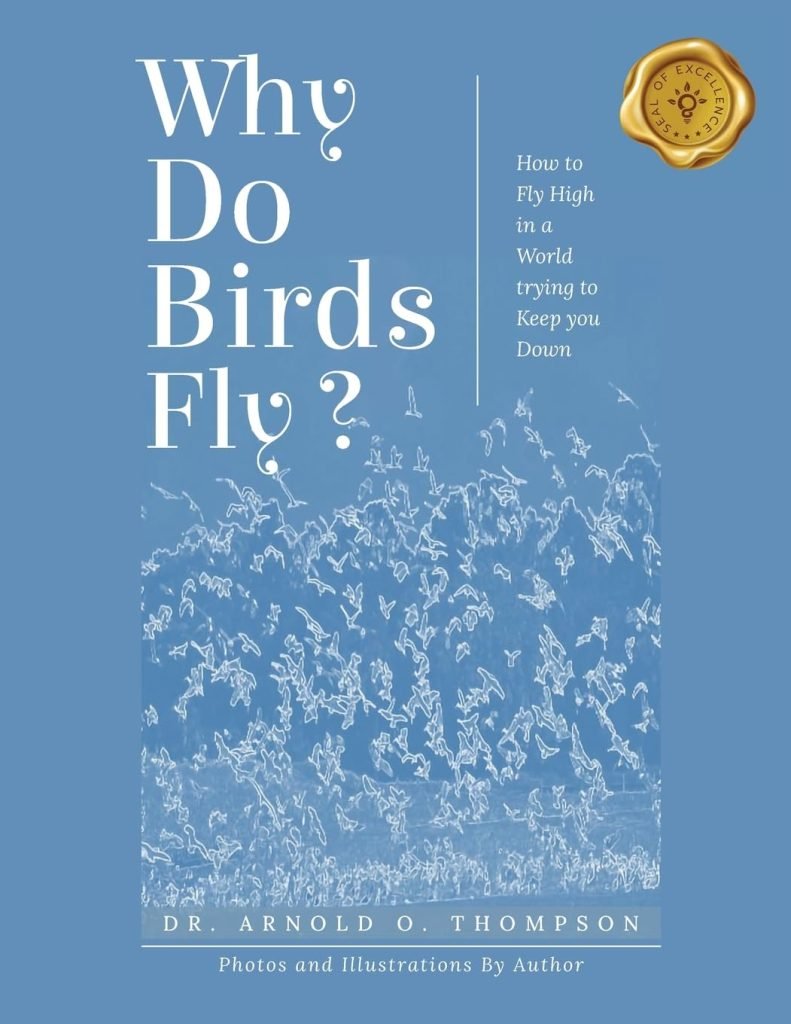
Why Do Birds Fly?
How to Fly High in a World trying to Keep you Down
by Dr. Arnold O. Thompson
A Masterful Blend of Nature’s Wisdom and Human Insight.
Dr. Arnold Thompson’s “Why Do Birds Fly” is not merely an exploration into avian behavior, but rather an introspective dive into life, wisdom, and the myriad lessons nature offers to humanity. With a narrative that effortlessly weaves through personal memories, biological insights, and spiritual musings, the manuscript offers a captivating blend of science and poetry that is rare in contemporary literature.
From the outset, Thompson delves deep into the habits of birds, drawing nuanced parallels between their survival instincts and our own daily challenges. The writing dances between the analytical and the poetic, with descriptions like the “blackbellied whistling duct” serving as literal observations and metaphors for deeper truths about our nature and the world around us. Yet, what truly sets this work apart is the way in which Dr. Thompson’s personal memories, especially the touching anecdotes about his father and their shared experiences with pigeons, anchor the broader lessons from the avian world.
These personal stories add richness and depth to the text, making it both universally relatable and intimately personal. Thompson’s musings on wisdom, especially his remarks on how even amidst technological advancements, humanity seems to be drifting away from true wisdom, resonate powerfully. He contrasts the hurried pace of modern life with the contemplative nature of birds, and even cows, urging readers to find their own moments of reflection and understanding.
The book culminates with a powerful statement, drawing from the natural world to pinpoint what our world truly needs – love. This poignant ending ties together the various threads of thought, leaving readers both enlightened and introspective.
In conclusion, “Why Do Birds Fly” is a gold-standard manuscript, offering readers not just a fresh perspective on birds but an uplifting and enlightening lens through which to view life itself. It’s a text that speaks to the heart and mind, reminding us of the beauty and wisdom inherent in the world around us – if only we take the time to observe and reflect.
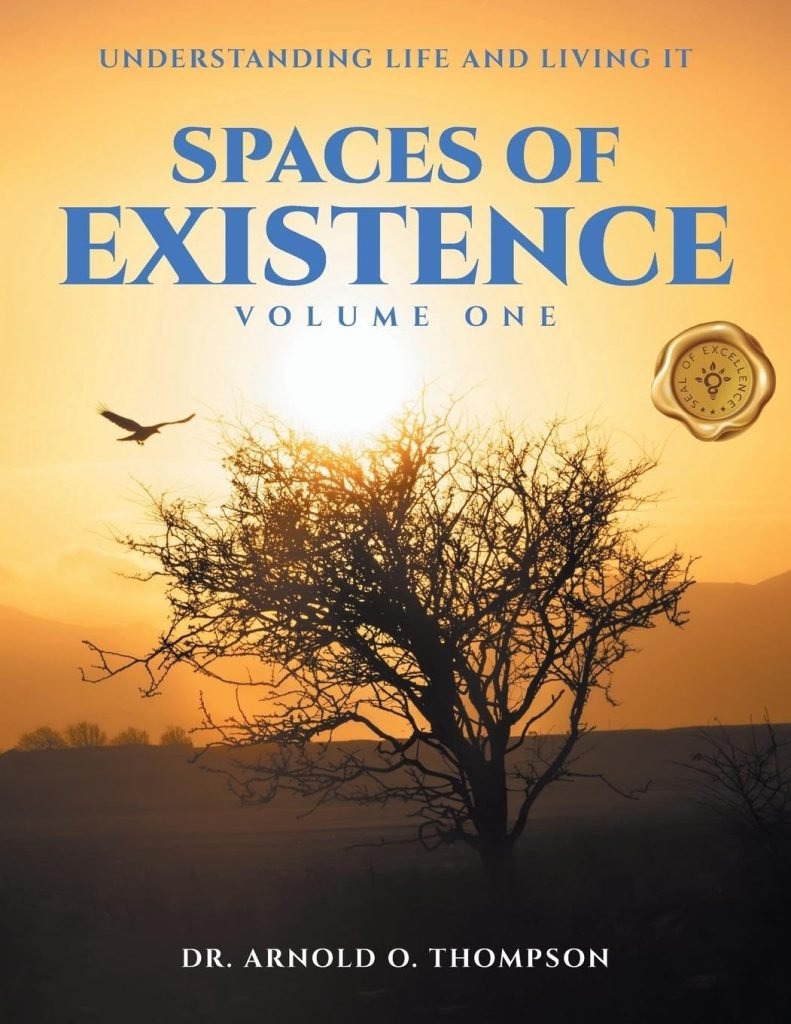
Spaces of Existence
Volume 1: Understanding Life and Living It
by Dr. Arnold O. Thompson
A profound and visionary exploration of human existence, Spaces of Existence masterfully bridges theology, imagination, and truth through the lens of Scripture.
Dr. Arnold Thompson’s “Spaces of Existence, Volume One: Understanding Life and Living” is a monumental and thought-provoking work that boldly bridges theology, philosophy, and communication theory. With a foundation rooted firmly in Scripture, Dr. Thompson constructs a comprehensive conceptual model that seeks to explain not only the physical universe but also the metaphysical and deeply personal “spaces” within which humanity exists.
What sets this volume apart is the author’s ability to take abstract and often complex theological concepts and render them both accessible and meaningful. Each essay builds upon the previous, offering insight into what Dr. Thompson refers to as the “Elohim Space,” “The Cross Space,” and the deeply intimate “Space of Us.” These frameworks serve as guiding pillars through which readers are encouraged to examine their identity, their place in the universe, and their relationship with God.
The writing is eloquent and deeply personal, imbued with conviction, clarity, and years of dedicated research. Dr. Thompson’s unique voice—confident yet humble—encourages readers to contend with the deep questions of existence, technology, imagination, and the sacredness of being human. The book challenges the rising dehumanization in our machine-driven age and calls for a return to spiritual understanding as the foundation of truth.
What elevates Spaces of Existence to a Gold Seal level is its intellectual ambition, matched with spiritual grounding. The integration of biblical models, visual diagrams, and scholarly references is impressive, but it is the heart behind the words—the compassionate and urgent voice of a servant-scholar—that truly resonates.
This volume is not only a guide for those seeking spiritual depth but also a potential cornerstone for future theological discourse on human existence in a rapidly evolving world. Spaces of Existence is expansive, poetic, and transformative.